

2,000-Year-Old Sharjah Coastal Network Moves Closer to UNESCO World Heritage Status
A historic chain of coastal settlements and fortifications in Sharjah has taken an important step toward possible UNESCO World Heritage recognition.
What Has Happened?
Sharjah's historic eastern coastline has moved a step closer to international heritage recognition after the Coastal Fortified Network of South Eastern Arabia was placed on UNESCO's Tentative List.
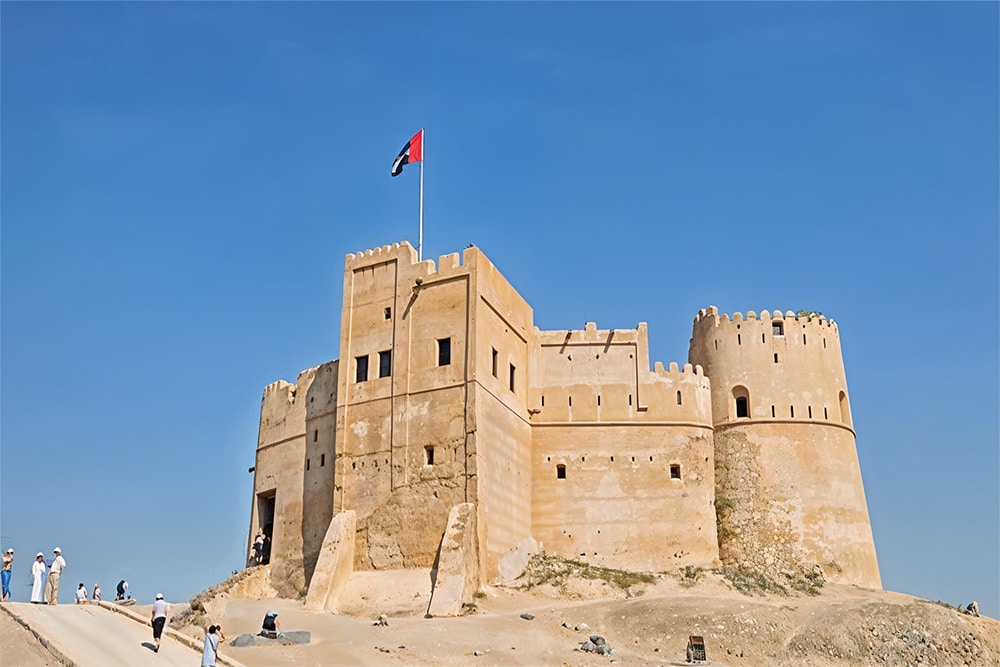
The proposed heritage network brings together three important coastal locations: Dibba Al Hisn, Khor Fakkan and Khor Kalba. Together, they reflect more than two thousand years of maritime activity, including trade, navigation, settlement and coastal defence.
The addition also increases the UAE's total number of sites on the UNESCO Tentative List to 16, with six of those sites located in Sharjah.
Key Facts
What Is the UNESCO Tentative List?
UNESCO's Tentative List is an important stage in the World Heritage process. It identifies cultural or natural properties that a country considers suitable for possible future nomination to the World Heritage List.
Being included on the list is therefore significant, but it should not be confused with final UNESCO World Heritage status. Further research, documentation, conservation planning and preparation of a formal nomination are still required.
Dibba Al Hisn: A Historic Coastal Settlement
At the northern end of the network is Dibba Al Hisn, positioned near Dibba Bay on Sharjah's east coast.
Archaeological investigations have revealed evidence of settlement extending across several historical periods. Researchers have identified traces connected with glass production, date processing, pearl-related activity and fish preservation.
These discoveries point to a settlement that was connected to wider commercial routes linking the Arabian Peninsula with regions including Persia, India, East Africa and the Mediterranean.
Khor Fakkan: A Strategic Harbour
Further south lies Khor Fakkan, a naturally sheltered harbour between the Hajar Mountains and the Gulf of Oman. Its geography helped make the area an important stopping point for ships and traders.
Archaeological remains in the area include historic forts, traditional houses and sections of the old town wall. One surviving section of the historic wall extends for more than 155 metres.
The West Fort is particularly important because its remains reflect different phases of control and development, including Portuguese, Arab and Al Qasimi periods.
Khor Kalba: Fortifications and Maritime History
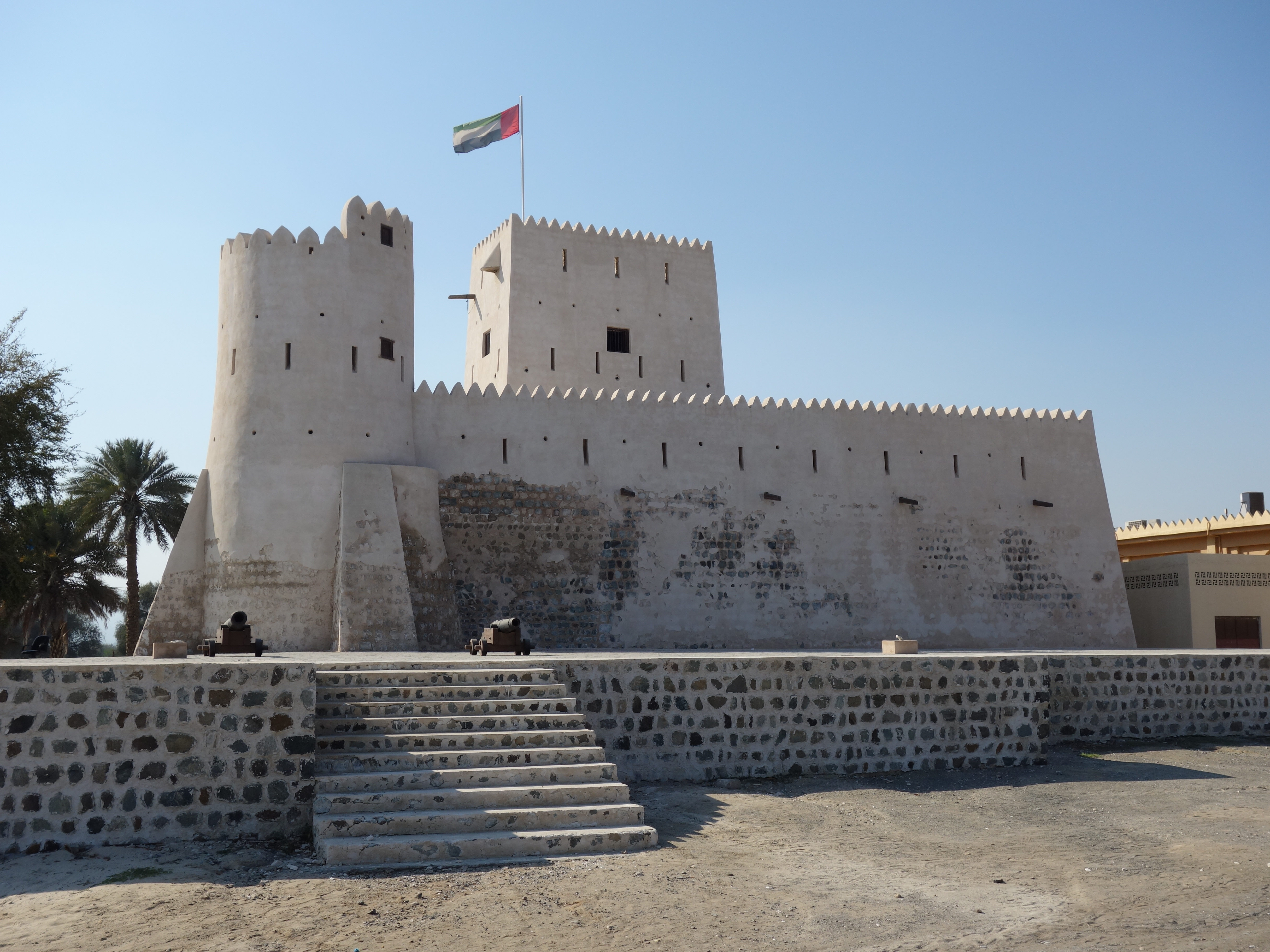
At the southern end of the proposed network is Khor Kalba, located around Kalba Creek and its coastal mangrove environment.
The area developed as a fortified settlement and later became an important location in the maritime history of the region. Historical remains include the Portuguese-era fort, while later periods were associated with Al Qawasim maritime activity.
Why Are the Three Sites Connected?
The significance of the nomination is not simply the age of individual buildings. The three locations are being presented as parts of a wider coastal system.
Ports provided places for ships to arrive and trade, while forts and defensive structures helped protect settlements and control movement along the coast. Communities also developed industries and services linked to fishing, maritime commerce and regional trade.
Viewed together, Dibba Al Hisn, Khor Fakkan and Khor Kalba tell a broader story about how communities used the eastern coast of the Arabian Peninsula over many centuries.
A Timeline of the Heritage Story
Coastal communities developed connections with wider maritime trade routes across the region.
European Portuguese forces established control and defensive structures at several strategic coastal locations.
Coastal settlements continued to play roles in maritime trade, defence and regional administration.
The Coastal Fortified Network of South Eastern Arabia was added to UNESCO's Tentative List.
What Happens Next?
The UNESCO Tentative List entry is expected to be followed by additional archaeological research and specialist studies.
According to the Sharjah Archaeology Authority, the next phase will strengthen the scientific documentation surrounding the three locations and help establish the evidence needed for any future international nomination.
Conservation and sustainable protection will also be important as Sharjah continues developing ways to preserve its archaeological and historical heritage for future generations.
Watch: Khorfakkan Historical Trailer
Sharjah's Growing Heritage Profile
The latest UNESCO development adds to Sharjah's growing international heritage profile. The emirate has continued to invest in archaeological research, restoration and the preservation of historic communities.
The move also follows the inscription of the Faya Palaeolandscape on the UNESCO World Heritage List in July 2025, giving the UAE another internationally recognised archaeological property.
Why This Matters for the UAE
The proposed network highlights an important part of UAE history that is sometimes overshadowed by the country's modern cities and infrastructure.
The eastern coast was not isolated from the wider world. Its ports and settlements were connected to maritime routes that carried people, goods, ideas and technologies between different parts of the Indian Ocean region.
International recognition could therefore help bring greater attention to the archaeological evidence and historic landscapes that remain along Sharjah's east coast.
Bottom Line
The addition of Sharjah's Coastal Fortified Network to UNESCO's Tentative List is an important heritage milestone, but it is not yet final World Heritage status.
Dibba Al Hisn, Khor Fakkan and Khor Kalba now have a stronger platform for continued research, conservation and possible future nomination to the UNESCO World Heritage List.
News Research: Khaleej Times report published September 9, 2026, on the Coastal Fortified Network of South Eastern Arabia and its addition to UNESCO's Tentative List.
Photo 1 & 2: Property Finder — Dibba Al Hisn Fort.
Photo 3: Marko / Wikimedia Commons — Kalba Fort, CC BY-SA 4.0.
Video: Dailymotion — Khorfakkan Official Trailer.
Image and video credits are provided for attribution. Check the individual source/licence terms before commercial republication or modification.

