

Dubai Airport’s Future: Paul Griffiths Says DXB Operations Will Eventually Move to DWC
What Did Paul Griffiths Say?
Paul Griffiths, chief executive of Dubai Airports, has outlined a long-term strategy in which Dubai International Airport (DXB) and Dubai World Central (DWC) will eventually no longer operate as Dubai’s two major passenger hubs.
The plan is linked to the expansion of Al Maktoum International Airport at DWC. The first major phase of the new development is designed to provide capacity for around 150 million passengers a year.
Griffiths has said that once the necessary capacity and infrastructure are available, Dubai Airports expects to make a complete transition from DXB to DWC.
Why Is Dubai Planning the Move?
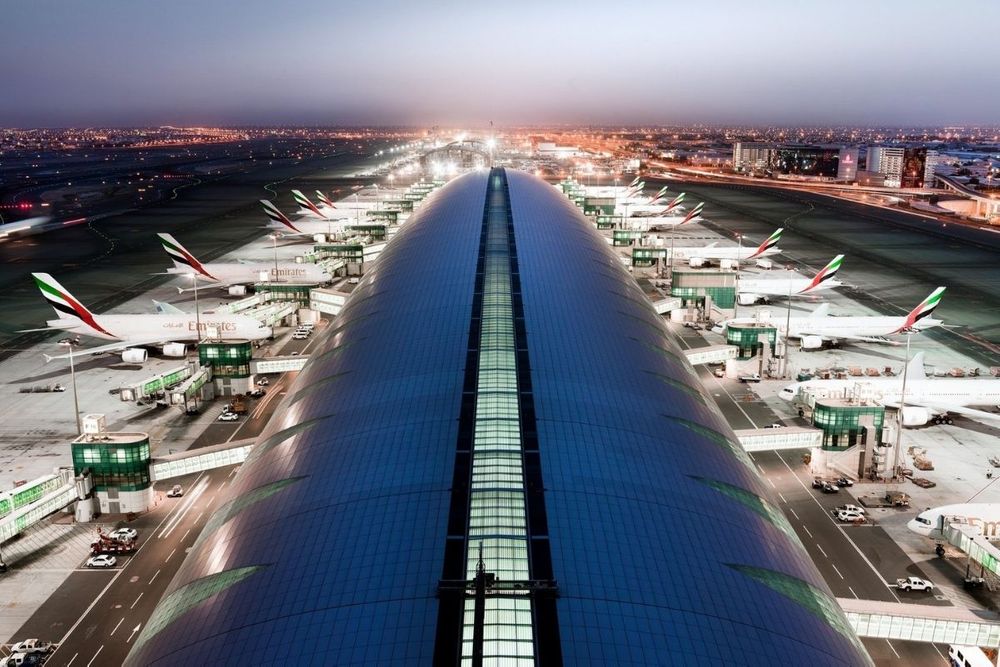
Dubai International Airport is located close to the city centre and has limited opportunities for major physical expansion. Although technology, infrastructure improvements and operational changes can increase its ability to handle passengers, there is a point at which additional growth becomes increasingly difficult.
DWC offers a very different opportunity. The airport is being developed on a much larger site, allowing Dubai to build extensive terminals, runways, aircraft stands, transport links and supporting infrastructure around a long-term aviation strategy.
Dubai Airports says the new DWC development is ultimately planned to accommodate up to 260 million passengers annually once all phases are completed.
- Dubai International Airport is known by the airport code DXB.
- Dubai World Central – Al Maktoum International is known as DWC.
- The first major expansion phase at DWC is planned to provide capacity for 150 million passengers annually.
- The first phase is targeted for completion around 2032.
- The ultimate planned capacity of DWC is approximately 260 million passengers per year.
- The long-term strategy is for passenger operations to transition from DXB to DWC.
What Will Happen to DXB?
The transition does not mean Dubai International will immediately stop operating. DXB is expected to remain a central part of Dubai’s aviation network while the new DWC infrastructure is being constructed and brought into service.
The migration is expected to happen progressively rather than as a single overnight change. Airlines and airport operators will need to coordinate schedules, terminals, aircraft movements, passenger services and ground transportation during the transition.
Once the new airport has enough capacity to accommodate the full operation, the long-term objective is for Dubai’s passenger aviation activity to be concentrated at DWC.

DWC Is Being Built for Much Larger Traffic
The scale of the DWC expansion is designed to accommodate Dubai’s expected growth in international travel. Dubai Airports says the expanded airport will eventually include five runways, large passenger facilities and more than 400 aircraft contact stands.
The airport’s first expansion phase is planned around a 150-million-passenger annual capacity. Further development would eventually increase that figure to approximately 260 million passengers a year.
The project also includes plans for an integrated ground-transport system connecting the airport with roads, rail and other forms of urban transportation.
When Could the Transition Happen?
The current strategy points toward the early 2030s. Dubai Airports has previously indicated that the first major phase of DWC is expected to be ready around 2032.
Recent statements from Dubai Airports indicate that the long-term timetable remains in place. Construction and development work on the DWC expansion are continuing as Dubai prepares for the next stage of its aviation growth.
The exact timing of individual airline moves will depend on infrastructure readiness, airline requirements and the operational capacity available at both airports.
Watch: Dubai Airports and Paul Griffiths Discuss the Future
What Does This Mean for Travellers?
For passengers, the eventual move could create a completely different airport experience. DWC is being designed as a large-scale future aviation hub with new passenger facilities and transport connections.
However, travellers should not expect an immediate change. DXB remains Dubai’s primary international passenger airport today, while DWC is being expanded for the future.
During the transition period, both airports are expected to play roles in Dubai’s aviation network, with operations gradually evolving as additional capacity becomes available at DWC.
Dubai’s Aviation Strategy Is Looking South
The development of DWC is closely connected with Dubai’s wider growth toward the southern part of the emirate. The airport is part of the broader Dubai South development, which is expected to become increasingly connected to residential, commercial and transport infrastructure.
This means the future airport is being planned not simply as a replacement terminal but as part of a much larger urban and economic development strategy.
The move also gives Dubai the opportunity to design airport infrastructure around future technologies and passenger demand instead of adapting an older airport that is already surrounded by a developed urban area.
Dubai Airport Move: The Bottom Line
Paul Griffiths' comments underline the long-term direction of Dubai’s aviation strategy. DXB will continue serving passengers while DWC is expanded, but the ultimate goal is to transfer Dubai’s full passenger airport operation to Al Maktoum International.
The first major DWC expansion phase is planned around a 150 million-passenger annual capacity, with the first phase targeted for the early 2030s. The airport could eventually grow to around 260 million passengers per year.
For now, DXB remains one of the world's most important international aviation hubs. But the massive investment at DWC signals that Dubai is already preparing for the next generation of air travel.
Dubai Airports: Official Dubai Airports information on DXB and DWC
Dubai Airports – DWC: Official information about the DWC expansion
Recent reporting: The National – Al Maktoum International expansion
Paul Griffiths interview: CAPA – Centre for Aviation
The article has been independently written in original wording and is not a reproduction of any source article.

