

“My Mother Was Swept Away”: Over 500 Children in Flood-Hit Nepal Separated From Parents
What Happened to Children in Nepal?
A catastrophic flood disaster struck northern Nepal on August 26, 2026, after a sudden torrent of water, mud and debris tore through communities around the Rasuwa and Nuwakot areas. The disaster damaged homes, roads, bridges, schools and other essential infrastructure, leaving families struggling to locate relatives.
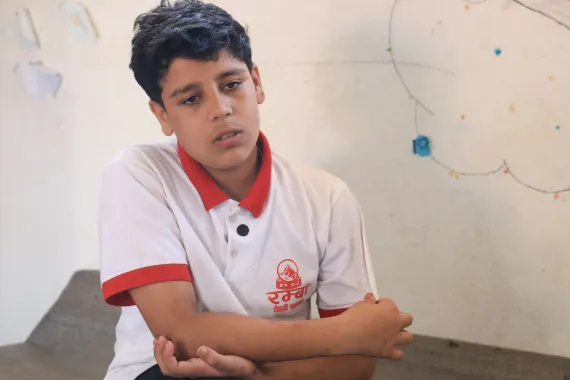
Children were among those caught in the chaos. Some were at school or travelling to classes when floodwaters arrived, while others were moved into temporary shelters after their homes were destroyed. In the confusion, many children became separated from their parents and caregivers.
Save the Children said an initial assessment found about 540 children who were either separated from their parents or unaccompanied. The organisation said the figure was based on information available two weeks after the disaster and could change as authorities reach more communities.
“My Mother Was Swept Away”
One of the most painful accounts to emerge from the disaster involves five-year-old Ishara Tamang, who survived after being caught in the floodwaters in Rasuwa. She was rescued after becoming trapped in a net and was taken to a hospital in Kathmandu.
According to reports about her experience, Ishara told rescuers that her mother had been swept away. The child was injured and separated from her family, while her mother remained missing at the time of the reports.
Ishara’s story illustrates the human cost behind the numbers. For young children, suddenly losing contact with a parent can be as frightening as the destruction of homes and communities around them.
More Than 500 Children Need Family Tracing
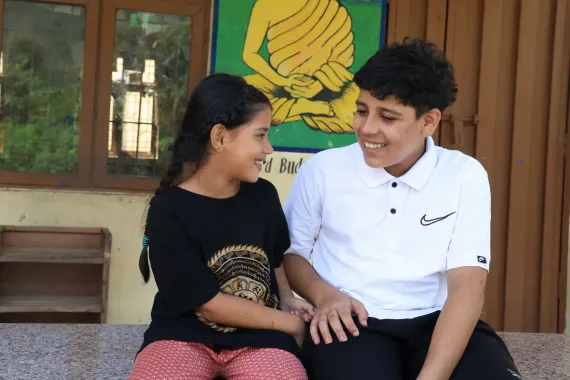
The child-protection assessment found 1,233 children living in holding centres as of September 4. Among them, 102 children were described as unaccompanied, meaning they had no parent or relative with them, while 439 were separated from their parents and were being cared for by relatives.
The distinction matters. Not every child counted in the wider figure had lost a parent. Some were temporarily separated because families had been displaced, communication networks had failed or children had been moved to safer locations.
- About 540 children were reported separated from parents or unaccompanied in an initial assessment.
- 1,233 children were living in holding centres as of September 4.
- 102 children in those centres were unaccompanied.
- 439 children were separated from their parents and being cared for by relatives.
- About 630 children in Rasuwa and Nuwakot remained unaccounted for based on preliminary school and family contact information.
- Save the Children said more than 3,600 people were living in displacement sites across affected areas.
Families Still Searching for Missing Children and Relatives
The floods destroyed or blocked roads and bridges and disrupted communications, making family tracing extremely difficult. Rescue teams in some areas have had to rely on helicopters and other difficult-to-access routes to reach survivors.
For families, the search has continued beyond the initial rescue phase. Some children were moved between shelters, schools and other safe locations, while relatives travelled from place to place trying to establish where loved ones had been taken.
Save the Children has warned that separated and unaccompanied children face additional protection risks during an emergency, including exploitation, abuse and trafficking. The organisation says family tracing and safe reunification are urgent priorities.
Children Are Also Dealing With Trauma
Survival has not ended the crisis for many children. Some witnessed homes being destroyed, friends being swept away or relatives disappearing in the flood. Others lost their belongings, schools or familiar surroundings within minutes.
Humanitarian organisations are providing child-friendly spaces, temporary learning centres and psychosocial support. These services give children a place to study, play and receive emotional support while authorities and families continue the difficult process of recovery.
UNICEF has also warned that children affected by the floods face heightened health and protection risks because of damaged water systems, crowded shelters and disrupted health services.
Video: UNICEF Response to the Nepal Flood Emergency
Why Family Reunification Is So Important
For children who have been separated from their parents, finding family members is more than a logistical task. Reunification can restore a sense of safety and stability after an event that has changed their lives overnight.
Aid agencies are supporting authorities with family tracing, child protection, temporary care and psychological assistance. Where immediate reunification is impossible, child-protection specialists recommend safe, family-based arrangements whenever appropriate.
Schools are also important in the recovery process. Returning to education can provide children with routine, social contact and a safe environment while communities rebuild.
Nepal’s Flood Disaster Continues to Take a Heavy Toll
The children’s crisis is part of a much wider disaster. By September 12, reports citing Nepal’s disaster authorities said 1,385 bodies had been retrieved and about 5,130 people remained missing.
The scale of the losses has made identification, family tracing and reunification especially difficult. Many communities are still dealing with destroyed homes, damaged infrastructure and limited access to basic services.
The situation also remains fluid. Numbers can change as rescue teams reach isolated areas, authorities verify reports and families are reunited with relatives who were previously listed as missing.
What Happens Next for the Children?
The immediate priority is to keep children safe while continuing to trace their families. Authorities and humanitarian organisations must also make sure children have access to food, clean water, medical care, education and emotional support.
For children who cannot quickly return home, stable temporary care is essential. Safe shelters, child-friendly spaces and education programmes can help restore some normality while longer-term decisions are made.
Sources & References
Save the Children: Nepal: Over 500 children separated from parents and hundreds still missing after floods
UNICEF Nepal: Holding on to childhood — story of a flood survivor in Nuwakot
UNICEF emergency information: Flash floods in Nepal leave thousands of children in urgent need of humanitarian assistance
Video source: UNICEF France — Floods in Nepal: UNICEF delivers emergency supplies for children
Background on Ishara Tamang: Onlinekhabar — Five-year-old flood survivor searches for family from hospital bed
Latest reporting: AFP report carried by The Peninsula — Children in flood-hit Nepal grapple with loss, cling to hope
This article has been independently written in original wording and is not a reproduction of any source article.

