

RTA issues 119,188 Dubai driving licences in first half of 2026 amid AI training use
More than 119,000 licences issued
Dubai recorded strong demand for driving licences during the first half of 2026, with the Roads and Transport Authority issuing a total of 119,188 licences between January and June.
According to the latest figures reported by Khaleej Times, more than 96,000 of those licences were newly issued to drivers, while another 22,788 were exchanged from countries whose licences are recognised under Dubai's applicable procedures.
The figures highlight the continued importance of driving mobility in a city where a large and diverse population relies on private vehicles alongside public transport and other mobility options.
AI is changing driving-school monitoring
The growth in licensing activity comes as Dubai's RTA expands the use of artificial intelligence and digital tools across driver training.
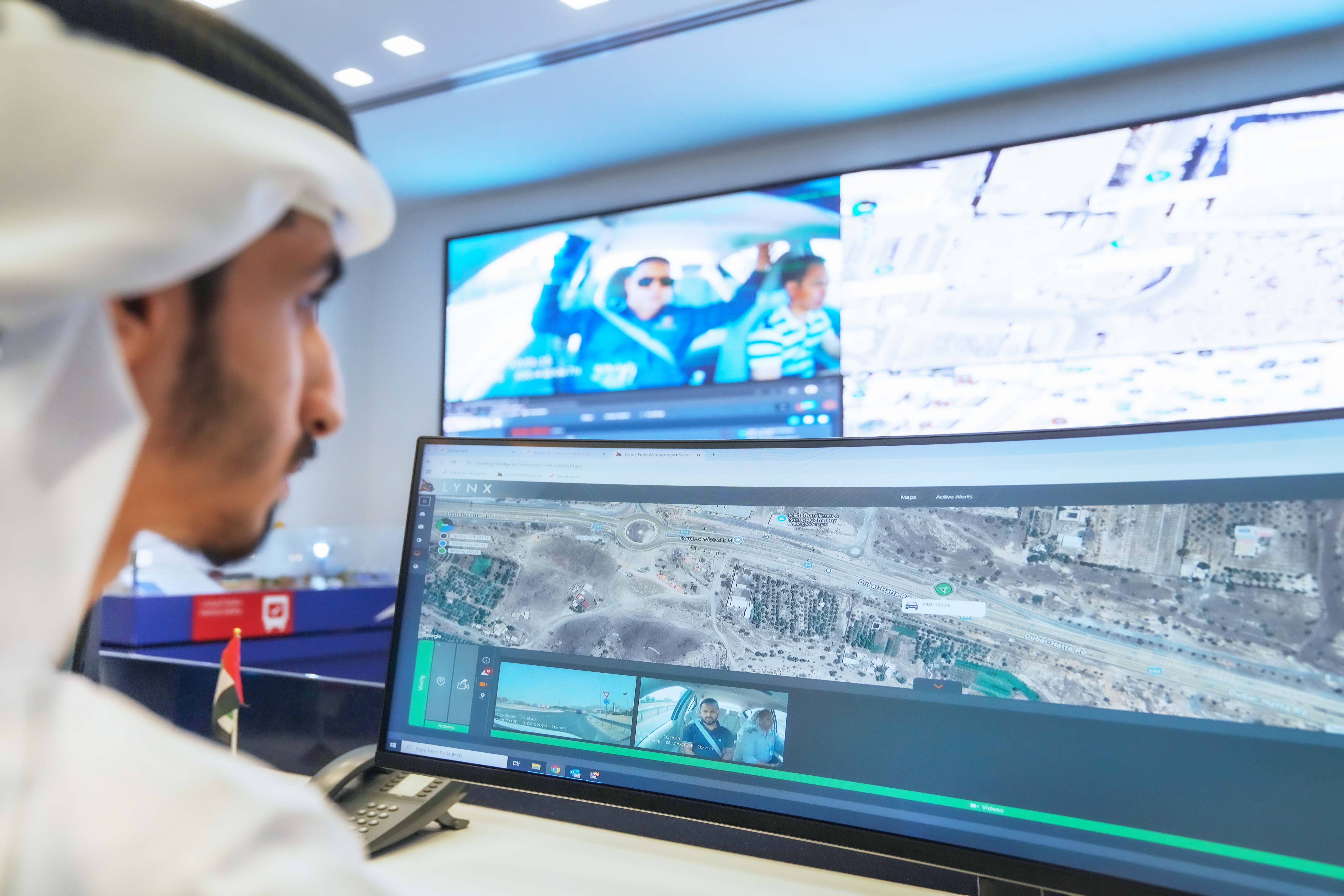
RTA's Smart Monitoring System uses smart cameras installed in driving-school vehicles. The technology combines artificial intelligence, machine learning and computer vision to help monitor instructors and learners during training sessions.
Instead of relying only on conventional field inspections, the system can provide continuous monitoring and identify potential violations automatically.
Millions of training sessions monitored
RTA said its Smart Monitoring System monitored 1,734,790 training sessions involving 245,764 trainees during a seven-month period following its implementation.
The system has also dramatically reduced the time required for inspections. RTA reported that inspection time fell from around 20 minutes to approximately one minute.
At the same time, the technology enabled a fivefold increase in the number of recorded violations, giving inspectors a much broader view of activity inside training vehicles.
What the AI system can detect
The smart monitoring technology is designed to identify a range of behaviours that could affect training quality and road safety.
- Mobile phone use during training
- Failure to wear a seat belt
- Leaving approved training areas
- Failure to follow prescribed professional standards
- Eating or drinking during training
- Sleeping or other forms of distraction while driving
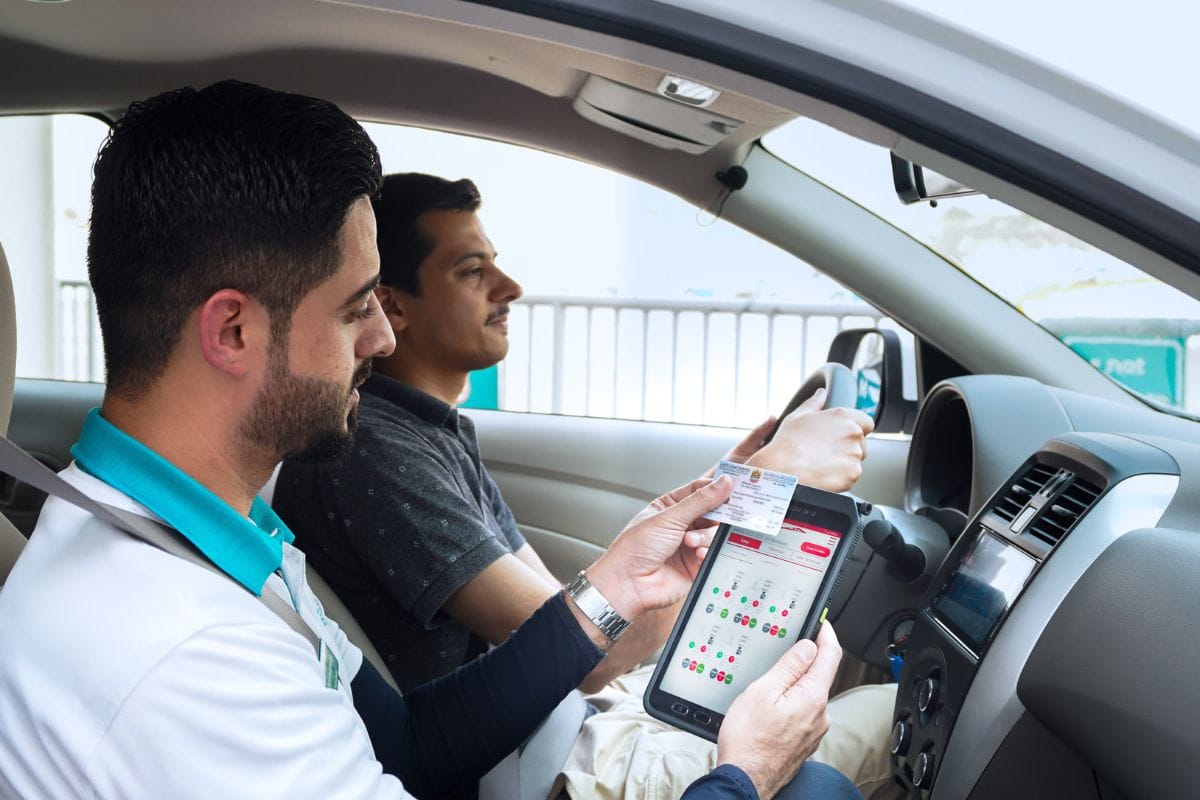
The system sends information to RTA's Licensing Intelligent Operations Centre and can also support inspectors through smart tablets.
Technology supports safer driver training
The objective of the AI programme is not simply to increase the number of inspections. RTA says the technology is intended to improve training quality, strengthen compliance and create a safer environment for both instructors and learners.
Real-time monitoring allows issues to be identified more quickly and gives authorities a stronger source of information when assessing how training providers are performing.
Predictive analytics planned
RTA's smart monitoring programme is also being developed further. Additional features include predictive analytics and plans to connect actual instructor performance data with licensing and permit systems.
Such integration could give Dubai a more connected approach to driver training, bringing monitoring, licensing and performance information closer together within one digital ecosystem.
Dubai's wider AI strategy
The use of AI in driving education is part of a broader push by RTA to apply emerging technologies to transport services.
The authority has been developing artificial intelligence, Internet of Things and predictive-analytics applications across areas such as traffic management, vehicle inspection, commercial transport and mobility services.
The approach is designed to move transport operations beyond basic digital services towards systems capable of analysing information and supporting faster, more proactive decisions.
Why the licence numbers matter
The 119,188 licences issued during the first half of the year provide a useful snapshot of the scale of Dubai's driver-training and licensing ecosystem.
The combination of strong licensing demand and increasing automation means driving schools are operating in an environment where technology is becoming an increasingly important part of how learners, instructors and training vehicles are monitored.
Driving training becomes more technology-focused
Dubai has also continued updating its driver-training curriculum. In 2026, RTA introduced additional training on advanced vehicle safety and driver-assistance technologies, including blind-spot monitoring, lane-departure warnings, parking assistance, night vision, ABS and adaptive cruise control.
The changes reflect the increasing technological sophistication of vehicles and the need for new drivers to understand the systems they will encounter on modern roads.
Watch: Dubai driving licence process and RTA training
Key facts
- Total licences issued in H1 2026: 119,188
- New licences: More than 96,000
- Licences exchanged from recognised countries: 22,788
- AI-monitored training sessions: 1,734,790
- Trainees monitored: 245,764
- Inspection time: Reduced from 20 minutes to about one minute
- Monitoring technology: AI, machine learning and computer vision
What this means for learner drivers
For people learning to drive in Dubai, the growing use of AI means training is becoming more closely monitored and increasingly data-driven.
Learners and instructors are expected to follow safety and professional requirements throughout training. Automated monitoring can help authorities identify behaviour that might otherwise be missed during occasional inspections.
Bottom line
Dubai issued 119,188 driving licences in the first half of 2026, including more than 96,000 new licences and 22,788 exchanges from recognised countries.
At the same time, RTA is using artificial intelligence, machine learning and computer vision to modernise the way driving-school training is supervised. The combination of high licensing activity and increasingly sophisticated monitoring shows how technology is becoming an important part of Dubai's road-safety strategy.
Khaleej Times — RTA driving licence figures for the first half of 2026.
Dubai Government Media Office — RTA Smart Monitoring System and AI-powered driving-school monitoring.
Roads and Transport Authority — Dubai transport and licensing services.
Khaleej Times — 2026 updates to Dubai driving licence training and advanced vehicle safety systems.

