

“We're Back on Track”: Etihad Airways Says Passenger Numbers Rebounded From War Impact
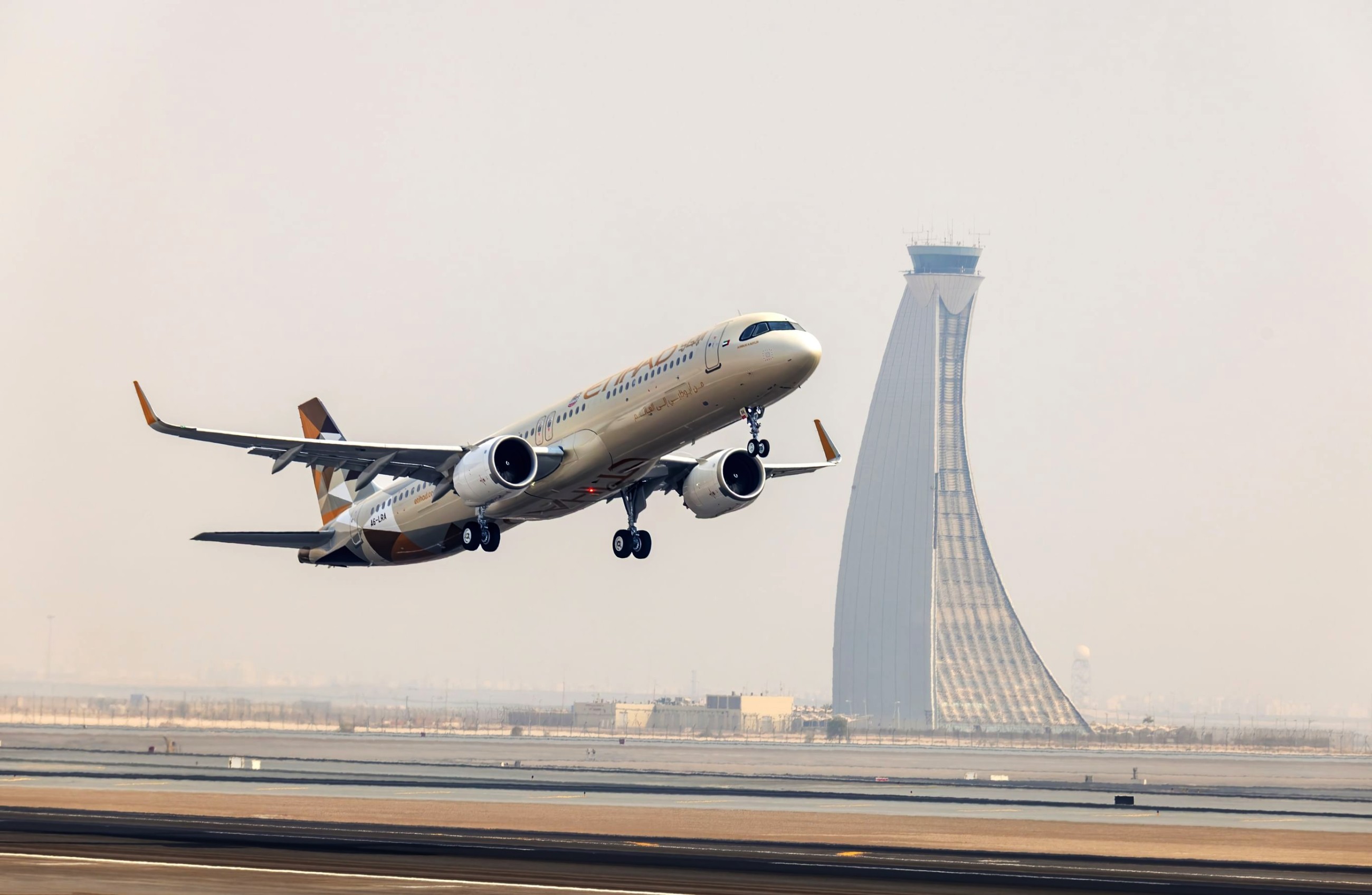
Etihad Says Recovery Is Back on Track
Etihad Airways has reported a strong rebound in passenger demand after months of disruption caused by the Iran conflict earlier this year.
Chief Executive Officer Antonoaldo Neves said the Abu Dhabi-based airline has recovered strongly and is now operating with significantly more passenger capacity than it had a year earlier.
“We are back on track,” Neves said in an interview, highlighting the speed at which the airline has restored its operations and responded to renewed demand.
Passenger Capacity Up 15% to 17%
Etihad's available seat kilometres, a standard industry measure of passenger-carrying capacity, are currently between 15% and 17% higher than the same period last year.
The increase reflects the airline's continued expansion and the restoration of services after the conflict disrupted aviation activity across the region.
August Load Factor Reached 92%
The airline also recorded a passenger load factor of 92% in August. The figure indicates that Etihad was able to fill a large share of the seats available across its network.
Etihad is targeting a load factor above 87% for the remainder of the year, according to Neves.
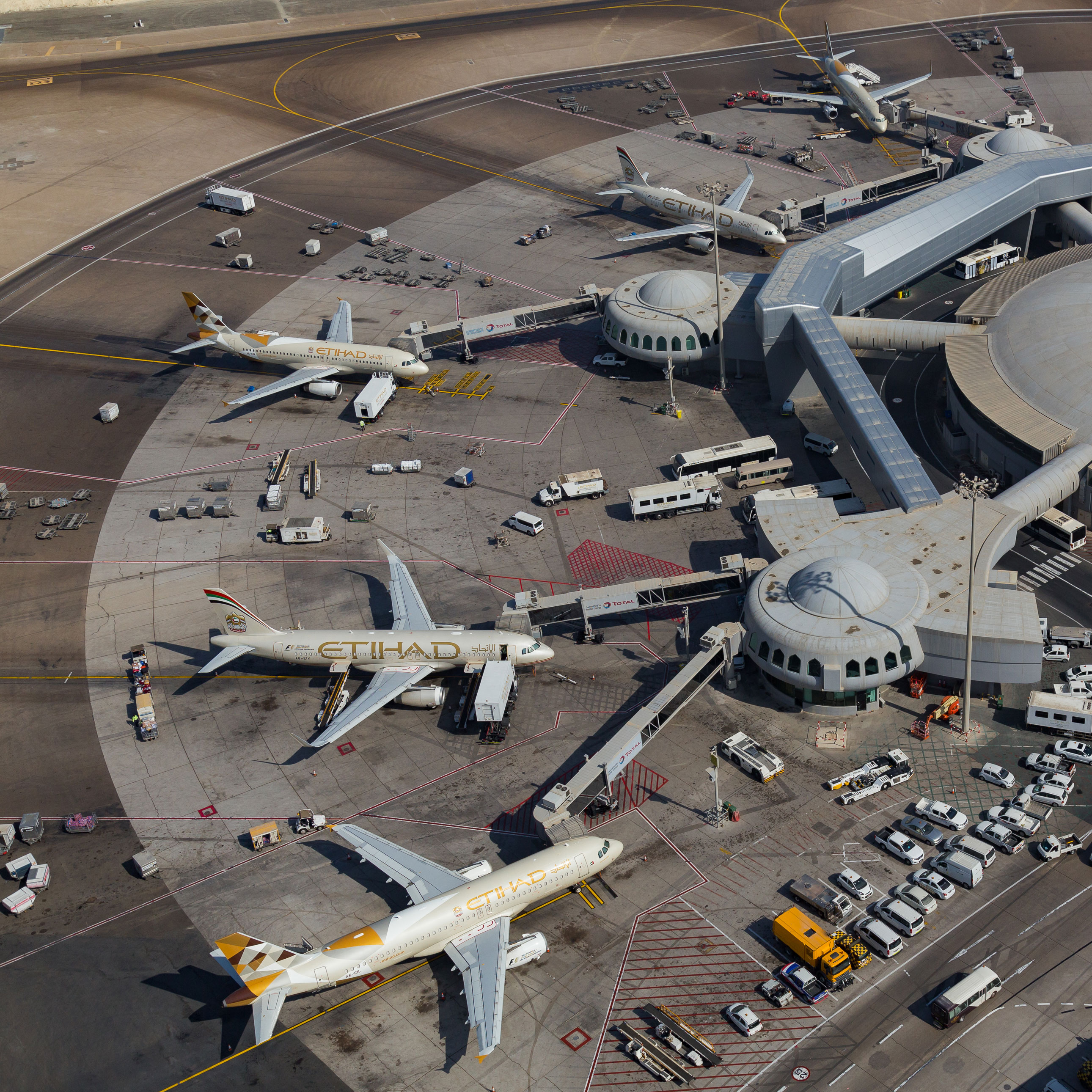
Conflict Disrupted Flights Earlier This Year
The regional conflict caused major disruption to air travel during March and April, with airspace closures forcing airlines to reduce or temporarily suspend operations on several routes.
Etihad expects the disruption to have a significant effect on its financial performance for 2026. The airline expects revenue to remain broadly flat compared with 2025, while profitability is expected to be close to zero.
Travel Patterns Are Changing
Neves said the airline is also monitoring changes in international travel patterns. Trade disputes and visa restrictions affecting destinations such as the United States and Canada have influenced some passenger flows.
Traffic from India toward the US and Canada has been affected in particular, including among students travelling internationally.
Etihad Remains Optimistic About Winter Demand
Despite the challenges earlier in the year, the airline's leadership remains positive about the upcoming winter travel season.
Neves said travellers are increasingly making bookings closer to their departure dates, a trend that has also been observed by other major Gulf airlines.
The airline expects strong demand to continue as customers regain confidence in regional travel and Etihad expands its network.
Airline Continues Investing in Its Fleet
Etihad is also generating cash that can be used to invest in its fleet and onboard products.
The airline has unveiled new cabin designs for its Airbus A321 LR and A330 aircraft. According to Neves, the upgraded aircraft are expected to begin arriving around the middle of next year.
Watch: How Etihad's Comeback Is Being Tested by War
What the Recovery Means for Abu Dhabi
The rebound is significant for Abu Dhabi because Etihad is a major part of the emirate's international connectivity and tourism strategy.
Higher capacity and strong seat occupancy suggest that demand for travel through Abu Dhabi remains resilient despite the disruption experienced earlier in the year.
Continued fleet investment and network expansion could further strengthen Abu Dhabi's position as a major international aviation hub.
Etihad Airways Recovery: Key Facts
- Airline: Etihad Airways
- Headquarters: Abu Dhabi, UAE
- CEO: Antonoaldo Neves
- Passenger capacity: 15%–17% above the previous year
- August load factor: 92%
- Target load factor: More than 87% for the rest of 2026
- 2026 revenue outlook: Expected to be broadly flat compared with 2025
- 2026 profitability: Expected to be close to zero because of disruption
- Winter outlook: Etihad remains optimistic about demand
- Fleet investment: New cabin designs planned for A321 LR and A330 aircraft
Sources & Credits
News Source: Reuters
Photo 1: Gulf Today
Photo 2: Abu Dhabi Media Office
Video: CNBC International / YouTube
Photo and video materials remain the property of their respective copyright holders. Credits are provided to the original sources. Readers should refer to the original publishers for the latest updates.

