

Apple’s iPhone Duo is out: A brief history of foldable phones since 2018
Apple Finally Enters the Foldable Era
For years, foldable phones were a technology showcase rather than a mainstream alternative to conventional smartphones. That changed gradually as manufacturers improved flexible displays, hinges, software and durability. Apple stayed outside the category while competitors experimented with several different designs.
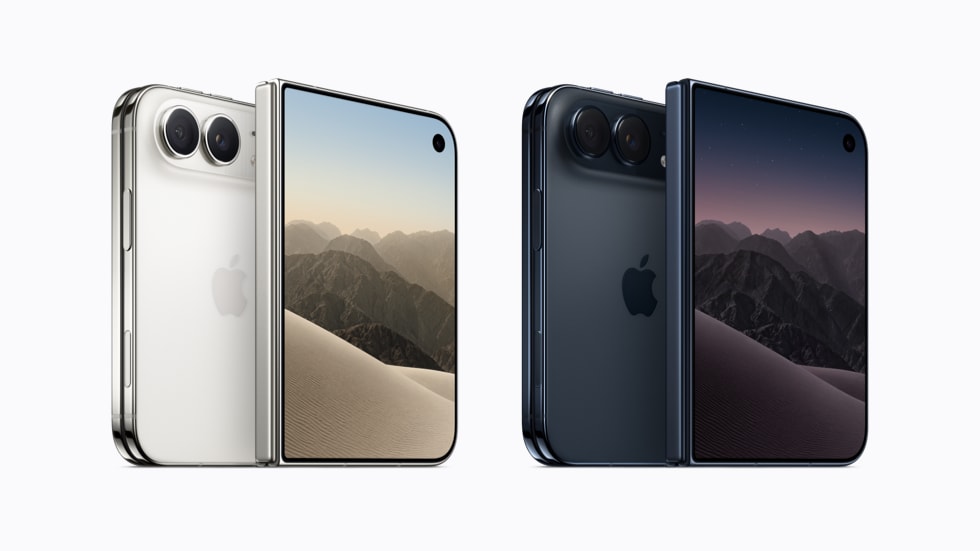
That wait ended on September 9, 2026, when Apple introduced the iPhone Duo, its first foldable iPhone. Apple says the device combines a pocket-sized outer screen with a much larger inner display designed for multitasking, gaming, entertainment and productivity.
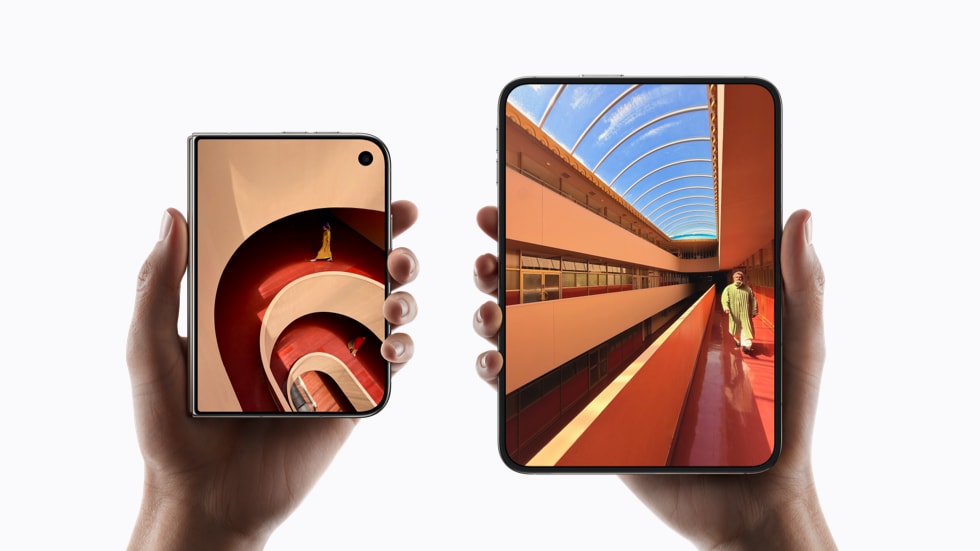
The Duo opens to a 7.6-inch Super Retina XDR display and closes around a 5.4-inch outer display. Apple has also used a nano-texture finish on the inner screen to reduce reflections and make the crease less visually obvious.
2018: Royole Shows What a Flexible Phone Could Become

The modern foldable-phone story is commonly traced to 2018, when Royole demonstrated the FlexPai. Its flexible display could bend rather than simply remaining a rigid rectangle, proving that a consumer device could move toward a very different screen format.
The early products were not perfect. Flexible displays, protective layers, hinges and software all created engineering problems. Nevertheless, the demonstrations showed the basic promise that would drive the next generation: one device could provide a conventional phone experience and a much larger viewing area.
2019: Samsung Turns the Idea Into a Phone Category

Samsung's Galaxy Fold brought a different approach: a phone that opened like a small book to reveal a larger internal screen. It was an important commercial milestone, although its first-generation launch also exposed how difficult it was to make a flexible phone durable enough for everyday use.
The early Fold experience highlighted several issues that would become recurring themes across the industry, including display protection, hinge design, software adaptation and the visibility of a crease. Manufacturers then spent years refining those areas.
2020–2021: Clamshell Foldables Become More Practical
The next phase was not simply about making larger screens. Manufacturers also explored compact clamshell designs that folded a normal-sized phone into a smaller package. Samsung's Galaxy Z Flip family helped popularize this approach, while Motorola revived the Razr name with a modern folding screen.
This design solved a different problem. Instead of opening a phone into a tablet-like display, a clamshell could make a large phone easier to carry. It also demonstrated that foldables did not need one universal shape.
By this stage, software became just as important as hardware. Apps needed to respond when the screen changed size or orientation, and manufacturers began adding features for partially folded devices and multiple display modes.
Huawei and Other Rivals Push the Form Factor Further

Huawei and other Chinese smartphone makers expanded the design race with thinner foldables, different hinge arrangements and larger internal displays. Huawei's Mate X line also explored outward-folding concepts, while later products pushed beyond a simple two-panel structure.
The competition gradually made foldable phones thinner, more durable and more capable. At the same time, premium prices remained a barrier, which meant that foldables stayed a relatively small part of the overall smartphone market.
2024–2025: The Tri-Fold Experiment Arrives
The industry then moved into another unusual direction: phones with more than one fold. Tri-fold concepts aimed to deliver an even larger tablet-like screen while retaining a device that could still be carried in a bag or pocket.
These products showed how quickly flexible-screen engineering had progressed since the experimental demonstrations of 2018. They also made clear that manufacturers were still searching for the most useful balance between screen size, thickness, weight, battery capacity and durability.
2026: Apple Changes the Conversation
Apple's entry matters because the company has enormous influence over premium smartphone design and software. Rather than being the first company to attempt a foldable phone, Apple is arriving after several years of experimentation by rivals.
The iPhone Duo uses a grade 5 titanium enclosure and a precision hinge. Apple says the hinge contains more than 100 components and is designed to support the display when the phone is opened. The device also carries an IP68 rating for splash, water and dust resistance.
Inside, the Duo uses Apple's A20 Pro chip and a dual-battery architecture. Apple says the phone can provide up to 24 hours of usage when both displays are used equally, while video playback can reach higher figures when one display is used at a time.
- First foldable iPhone officially introduced by Apple.
- 5.4-inch outer display when folded.
- 7.6-inch inner display when opened.
- A20 Pro processor and Apple-designed C2 modem system.
- Grade 5 titanium construction with a precision hinge.
- 48MP Fusion Main and 48MP Fusion Ultra Wide cameras.
- Touch ID is built into the side button.
- Apple Pencil support is planned through USB-C later in 2026.
- Pre-orders begin October 16, 2026.
- Availability begins October 23, 2026.
- UAE starting price: AED 8,499.
Why the iPhone Duo Is Different
Apple is not presenting the Duo simply as a larger screen that folds. Its software is designed around the two display states. iOS 27 can move controls and navigation to suit the unusual layout, while Split View allows two apps to operate side by side on the inner screen.
The company is also emphasizing continuity. The two displays use the same aspect ratio, allowing content to transition more naturally between the closed and open states. Apple says the inner display's nano-texture surface is intended to reduce glare and make the crease less noticeable.
The camera system also benefits from the folding design. Users can preview a shot on the outer display, prop the phone up without a traditional tripod and use different orientations for photography and video.
What Foldable Phones Have Learned Since 2018
The biggest lesson from the last eight years is that a foldable phone is not just a flexible screen. The hinge, protective layers, battery arrangement, software, cameras and overall weight all have to work together.
Early devices proved that folding screens were possible. Later generations worked on making them reliable. More recent models have focused on thickness, crease reduction, multitasking and new ways to use multiple screen surfaces.
Apple's approach arrives after those experiments have already shaped the market. The company can therefore enter the category with a clearer view of the problems customers have experienced and the features that make a foldable useful rather than merely unusual.
Official Apple Event Video
Watch the official Apple Event — September 9, 2026: The keynote introduced iPhone Duo alongside the iPhone 18 Pro family, Apple Watch updates and AirPods 5.
Video Credit: Apple Events / Apple. Open the official Apple event video
Will Apple Make Foldables Mainstream?
That is the bigger question following the Duo launch. Foldable phones remain more expensive than conventional premium smartphones, and buyers still have to decide whether a larger flexible display is worth the added cost and complexity.
Apple's advantage is its ecosystem. If iOS 27, third-party apps and Apple's hardware all make the larger screen genuinely useful, the Duo could help turn foldables from a specialist product into a more familiar premium option.
The company's entry also increases pressure on Samsung, Huawei and other manufacturers. Competition is likely to focus not only on screen size, but also on thickness, hinge durability, battery life, camera performance, software and price.
Foldable Phone Timeline: 2018 to 2026
- 2018: Royole demonstrates the FlexPai era of flexible-screen phones.
- 2019: Samsung Galaxy Fold brings book-style folding to the smartphone market.
- 2020–2021: Clamshell foldables such as Galaxy Z Flip and Motorola Razr expand consumer choices.
- 2022–2023: Manufacturers improve hinges, displays, software and device thickness.
- 2024–2025: Tri-fold and multi-fold concepts push flexible displays into larger formats.
- 2026: Apple launches iPhone Duo and enters the foldable iPhone market.
iPhone Duo: The Bottom Line
The iPhone Duo is not the beginning of the foldable-phone story. It is the latest chapter in a development that has been underway since at least 2018, when flexible displays started moving from experimental demonstrations toward consumer smartphones.
What makes Apple's launch significant is the company's ability to combine a new physical design with a mature operating system and a large developer ecosystem. Whether that combination can overcome the category's high prices and remaining compromises will become clearer after the Duo reaches customers in October.
Apple: Apple Newsroom — iPhone Duo
Reuters: A brief history of foldable phones
Apple Events: Apple Event — September 9, 2026
Image sources: Apple Newsroom and Wikimedia Commons. Each photograph is credited individually in the article, with the applicable source or license page linked below the image.
The article has been independently written in original wording and is not a reproduction of any source article.

